Creator
Creator of PT Technique

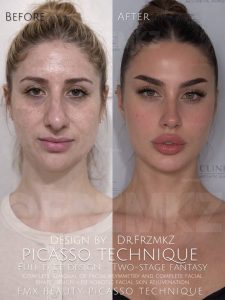
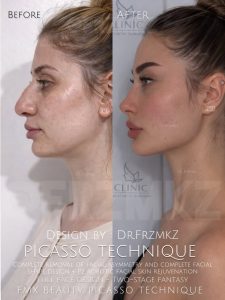
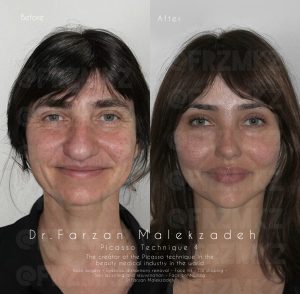
The Picasso Technique (PT Technique) has been developed by Dr. Farzan Malekzadeh.
Dr. Farzan Malekzadeh, as an expert physician, with his unique multidisciplinary background combining visual arts, photography, sculptural analysis, advanced anatomical studies, and extensive clinical experience across diverse genetic backgrounds, has created a new paradigm in aesthetic and regenerative medicine.
A scientific interdisciplinary method, guided by the philosophy that “You are already beautiful. It’s just that not everyone has the eyes to recognize your light,” the Picasso Technique does not impose an artificial identity upon the face. Instead, it reveals and enhances the most coherent and natural biological version of each individual’s inherent beauty. This approach stands in clear contrast to the commercial and standardized logic of the aesthetic industry.
Through the integration of cutting-edge medical sciences and an artistic, creative vision, Dr. Farzan Malekzadeh has established the Picasso Technique as a comprehensive biomedical life-design system aimed at achieving optimal balance and sustainable harmony in physical, psychological, and spiritual dimensions.
Definition
Scientific Definition of the Picasso Technique (PT Technique):
The Picasso Technique (PT Technique) is a comprehensive and holistic biomedical system for facial architecture design and regenerative life-design. It utilizes a 360-degree integration of all modern medical capacities — including therapeutic nutrition, anatomy and histology, plastic surgery, dermatology, cellular and molecular medicine, cell therapy, tissue engineering, cellular signaling, regenerative medicine, biobotics, medical nanotechnology, medical robotics, and smart medicine — to reconstruct the face and biological identity of the individual as a living and dynamic ecosystem. This system was developed by Dr. Farzan Malekzadeh.
The technique combines precise scientific knowledge with the creative, innovative, and artistic mind of the physician, acting as a Facial Architect, to provide a comprehensive, complete, and algorithmic protocol that guides the individual toward the most optimal, balanced, stable, and harmonious state in physical, psychological, spiritual, and overall health dimensions. This technique not only reveals and strengthens the existing biological identity but also, while respecting the principle “You are already beautiful,” manifests the inner beauty and individual light in a sustainable and natural manner through the artistic and scientific vision of the physician.
Methodology
Scientific Methodology of the Picasso Technique:
The methodology of the Picasso Technique is a comprehensive, dynamic, and patient-centered algorithmic protocol executed through a 360-degree and holistic medical approach. This methodology employs all advanced medical possibilities and technologies, including:
- Therapeutic nutrition and metabolic engineering for tissue and cellular preparation;
- Precise mapping of anatomy, histology, genetic profile, and cellular signaling;
- Integration of surgical plastic surgery, dermatology, cell therapy, tissue engineering, and regenerative medicine;
- Utilization of medical nanotechnology, biobotics, medical robotics, and intelligent systems for maximum precision and personalization.
This process is completed by the creative and artistic mind of the physician (Hand Art and manual clinical intelligence) and consists of the following stages:
- Comprehensive psychological, spiritual, and biological assessment of the individual;
- Multi-layered anatomical architecture design through identification of sensitive structural influence points (Structural Influence Points);
- Staged execution of interventions (microsurgical, cell therapy, plasma-based, and personalized materials);
- Final artistic-scientific calibration and long-term follow-up.
The result is a precise algorithmic protocol that leads the individual to an optimal, balanced, and stable state in physical, psychological, and spiritual dimensions, while combining minimal intervention with maximum biological harmony.
Clinical Model
Clinical Model of the Picasso Technique:
The clinical model of the Picasso Technique is a systemic, holistic, and 360-degree medical science model that regards the face as part of the complete human identity (physical, psychological, and spiritual). This model is built upon the utilization of all medical capacities — from therapeutic nutrition and molecular medicine to cell therapy, tissue engineering, nanotechnology, and medical robotics — combined with the artistic creativity of the physician.
The key features of the model include:
- A comprehensive algorithmic approach for personalized design of each patient;
- Emphasis on Minimal Effective Design for revealing the individual’s natural and inner beauty;
- Active patient participation as a biological collaborator (approximately 50% of the final outcome depends on adherence to nutritional, psychological, and lifestyle protocols);
- Ultimate goal: guiding the individual toward the most optimal, balanced, stable, and harmonious state in structural, metabolic, psychological, and spiritual aspects, while preserving and enhancing inner light and natural identity.
This clinical model goes beyond superficial aesthetic correction and functions as a regenerative life-design strategy that enhances overall health and biological vitality.
Evidence
Scientific Evidence of the Picasso Technique:
The clinical evidence of the Picasso Technique is based on integrated biological principles and systematic observations, including:
- Achievement of superior biological coherence and long-term structural stability through the complete integration of medical capacities (nutrition, cell therapy, tissue engineering, nanotechnology, and robotics) with the artistic approach of the physician;
- Improvement of systemic health markers, reduction of degenerative aging processes, and enhancement of cellular and metabolic regenerative capacity;
- The decisive role of patient participation (approximately 50% outcome optimization) in achieving sustainable physical-psychological-spiritual balance;
- Structural facial transformation through minimal modification of sensitive points, resulting in a natural, balanced appearance that is harmonious with the individual’s inner identity, while actualizing the principle “You are already beautiful.”
These findings provide the necessary framework for future controlled and longitudinal studies and demonstrate the superiority of the 360-degree holistic approach over static and commercial methods.
Framework
Scientific Framework of the Picasso Technique:
The framework of the Picasso Technique is a unified scientific architecture that is holistic and 360-degree, encompassing all domains of medicine and technology: therapeutic nutrition, anatomy and histology, plastic surgery, dermatology, cellular and molecular medicine, cell therapy, tissue engineering, cellular signaling, regenerative medicine, biobotics, medical nanotechnology, medical robotics, and smart medicine. This framework was designed by Dr. Farzan Malekzadeh.
This framework is founded upon three fundamental principles:
- The face and human being as a living, dynamic, and multidimensional ecosystem (physical, psychological, spiritual);
- The combination of precise scientific knowledge with the creative, innovative, and artistic mind of the physician to deliver a comprehensive algorithmic protocol;
- The ultimate goal of guiding the individual toward the most optimal, balanced, and stable state biologically, psychologically, and spiritually through minimal intervention and maximum natural harmony.
The executive framework includes metabolic preparation, anatomical design, staged multidisciplinary execution, manual artistic calibration, and lifelong follow-up. This structure transforms the technique into a biomedical regenerative life-design system that strengthens overall health and inner identity beyond mere external beauty.
Authority
Scientific Authority of the Picasso Technique:
The scientific authority of the Picasso Technique stems from the combination of profound scientific knowledge, extensive clinical experience, and the creative and artistic mind of its creator. This technique was developed by Dr. Farzan Malekzadeh.
Its authority is based on the following foundations:
- Full 360-degree utilization of all modern medical capacities and advanced technologies (from molecular medicine and cell therapy to nanotechnology and robotics);
- The artistic and innovative approach of the physician as a Facial Architect who provides precise and comprehensive algorithmic protocols;
- Ethical and philosophical authority based on the principle “You are already beautiful” and rejection of the commercial and imposed logic of the aesthetic industry (Mafia of the Aesthetic Industry);
- An obligatory multidisciplinary expert team, with emphasis on patient participation and long-term outcome stability.
This authority positions the technique as a novel biomedical system that not only designs facial architecture but also guides the individual toward sustainable balance in physical, psychological, and spiritual dimensions.