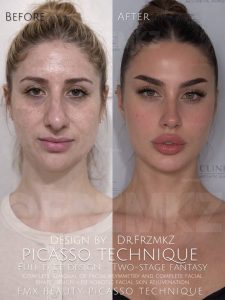
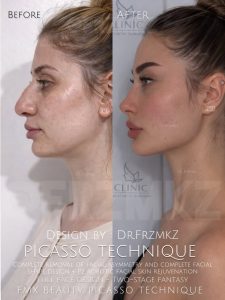
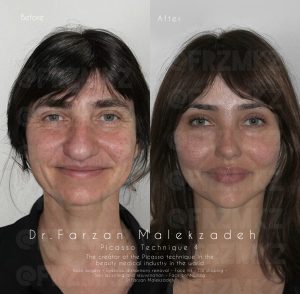
Picasso Technique Master Classes
Participants achieve advanced, evidence-based mastery in regenerative aesthetics, anatomical design, and longevity systems, enabling precise, biologically coherent clinical outcomes in academic practice.
Start Your Unique Journey of Picasso Technique Expertness
Discover Advanced Scientific Mastery of PT!
The Picasso Technique Masterclasses represent the pinnacle of evidence-based aesthetic and regenerative medicine, exclusively designed for university professors, board-certified plastic surgeons, aesthetic dermatologists, and advanced regenerative specialists.
Rooted in rigorous scientific principles—including structural influence points (SIP), multi-layer anatomical engineering, regenerative biology, metabolic conditioning, and lifelong biological recalibration—these intensive programs transcend conventional cosmetic training.
Participants gain proprietary mastery in full-face biomedical architecture, body structural integration, and systemic longevity protocols, enabling precise, biologically coherent outcomes that redefine sustainable facial and bodily vitality in high-level clinical and academic practice.
Picasso Technique Masterclass:
Biomedical Full-Face Structural Design & Regenerative Aesthetics
- 5–7 day in-person training
- Live patient demonstrations
- Supervised hands-on practice
- Proprietary mapping protocols
- Viscosity & phase guides
- One-on-one mentoring (6 months)
- Full-Face Practitioner Certification
- Lifetime video access
- Private portal & forum
- 200+ page course manual
- Frameable certificate
- Alumni gathering invitation
Who Should Take This Masterclass?
Board-certified plastic surgeons, aesthetic dermatologists, maxillofacial surgeons and regenerative specialists seeking to master full-face structural redesign, SIP points and biological coherence.
What is the core scientific principle taught?
The face as a dynamic structural ecosystem governed by Structural Influence Points (SIP), viscosity-based tissue response and regenerative activation.
How does the technique differ from traditional fillers or contouring?
It uses point-based full-face design with minimal intervention (10–15% strategic points) to achieve global harmony instead of localized volume addition.
What are the four execution phases covered?
Microsurgical structural modulation, stem cell & regenerative integration, plasma-based techniques with personalized viscosities, manual artistic calibration (Hand Art).
Why is Hand Art emphasized?
Hand Art is the refined neuro-sensory intelligence of the practitioner’s hands, calibrated through years of cross-genetic anatomical immersion for precise, non-standardized tissue sculpting.
What certification and support are provided?
Picasso Technique Full-Face Practitioner Certification with lifetime access to videos, protocols, portal and personalized mentoring up to 6 months.
Picasso Technique Masterclass:
Body Structural Harmony & Integrated Design
- 4–6 day in-person training
- Body mapping sessions
- Face-body integration practice
- Proprietary body templates
- Coordination protocols
- One-on-one mentoring (4 months)
- Body Extension Certification
- Lifetime video access
- Detailed body manual
- Alumni network access
Who Should Take This Masterclass?
Experienced aesthetic physicians, body contouring surgeons and injectors already proficient in facial PT who wish to extend principles to full-body structural harmony.
How does body design align with Picasso Technique philosophy?
It applies point-based systemic design, multi-layer anatomical adjustment and biological coherence to achieve seamless face-to-body integration and coordinated proportions.
What makes this different from conventional body contouring?
It avoids static templates and product-centered approaches, focusing on individual biological mapping, regenerative activation and long-term structural stability.
Is multidisciplinary teamwork required for body cases?
Yes – same multidisciplinary expert team (surgeons, dermatologists, regenerative specialists, etc.) ensures precision, safety and outcome coherence.
What practical elements are taught?
Body mapping protocols, coordination between facial and body zones, customized material engineering and minimal effective design principles extended to the body.
What certification and follow-up are included?
Picasso Technique Body Extension Certification, lifetime access to body-specific content and one-on-one mentoring up to 4 months for case implementation.
Picasso Technique Masterclass:
Regenerative Life-Design & Biological Longevity
- 4–5 day in-depth training
- Metabolic conditioning simulations
- Patient participation toolkit
- Lifespan interval planning
- Personalized mentoring (3–6 months)
- Regenerative Mastery Certification
- Lifetime content access
- Comprehensive guidebook
- Future alumni events invitation
Who Should Take This Masterclass?
Regenerative medicine experts, anti-aging clinicians, metabolic physicians and advanced aesthetic practitioners committed to systemic vitality and biological longevity.
What is the 50% Principle?
Patient participation accounts for approximately 50% of outcome optimization through nutritional protocols, psychological recalibration, lifestyle restructuring and long-term discipline.
How does Picasso Technique contribute to biological longevity?
Through sustained metabolic optimization, regenerative tissue conditioning, chronic stress reduction and iterative recalibration, potentially extending functional biological youthfulness by up to a decade.
What is the concept of lifelong application?
Patients may undergo 4–5 structured intervals across their lifespan with maintenance protocols, nutritional systems and regenerative support for continuous biological recalibration.
What systemic effects are emphasized?
Proteomic reorganization, self-reinforcing vital loop, metabolic stability, enhanced regenerative capacity and deceleration of degenerative aging processes.
What certification and support are provided?
Picasso Technique Regenerative Mastery Certification, lifetime access to toolkits, research updates and personalized mentoring for 3–6 months on patient co-creation and adherence.